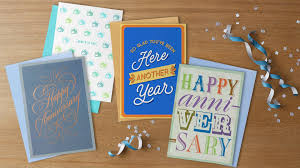

Employee recognition in 2026 works best when it is timely, specific, fair, and personal without becoming awkward. For birthdays, keep recognition optional and preference-based. For work anniversaries, connect the message to real contributions, not only years served.
For project milestones, recognize the behavior that helped the team succeed: problem-solving, mentoring, customer care, speed, accuracy, or reliability.
The reason matters. Gallup’s 2026 State of the Global Workplace report found global employee engagement fell to 20% in 2025, with low engagement linked to an estimated $10 trillion in lost productivity.
Recognition will not fix weak management on its own, but it gives managers a concrete way to show employees their work is noticed.
Why Employee Recognition Matters More In 2026
Employee recognition matters more in 2026 because workers are more selective about loyalty, managers are under pressure, and many teams are split across office, hybrid, remote, and frontline roles.
Gallup and Workhuman tracked 3,447 employees from 2022 to 2024 and found that well-recognized employees were 45% less likely to have changed organizations 2 years later. The same employee retention research noted that only 22% of employees said they received the right amount of recognition for their work.
Work anniversaries also carry new weight because tenure is shorter in many parts of the labor market. The U.S. Bureau of Labor Statistics reported median employee tenure of 3.9 years in January 2024, down from 4.1 years in January 2022 and the lowest level since January 2002.
Quick Comparison: What To Recognize And How
| Occasion | Best Recognition Style | Good Example | Avoid |
| Birthday | Optional, warm, low-pressure | Signed card, team lunch, small gift card | Public age jokes |
| 1-year anniversary | Welcome and growth focused | Manager note about early impact | Generic certificate only |
| 5-year anniversary | Contribution and loyalty focused | Personal letter plus meaningful reward | Same gift for every person |
| Project milestone | Specific and timely | Shoutout tied to result | Waiting months |
| Promotion or role change | Future-facing | Public note plus private congratulations | Making it only about title |
| Personal work milestone | Employee-led | Choice of public or private mention | Sharing private details |
Birthday Recognition Ideas That Feel Respectful
Birthday recognition should be opt-in, simple, and free from age-related comments.
For teams that want something more personal than a generic message, managers can keep it simple by making a card with a short note that reflects the employee’s actual preferences.
The safest approach is to ask employees during onboarding or an annual preference check whether they want birthdays acknowledged publicly, privately, or not at all.
Good birthday ideas include:
- A handwritten card from the direct manager
- A small gift card with a personal note
- A team coffee break, only when the employee likes group attention
- A birthday Slack or Teams message with pre-approved wording
- A charity donation selected by the employee
- An extra hour off near the birthday, when policy allows
Public celebrations can feel friendly to one person and uncomfortable to another. In U.S. workplaces, employers also need care around protected categories.
The EEOC says workplace discrimination laws cover race, color, religion, sex, national origin, age 40 or older, disability, and genetic information, and harassment based on those categories is illegal.
A practical rule: celebrate the person, not their age, family status, health, religion, or private life.
Work Anniversary Ideas By Year
Work anniversaries should grow in meaning as tenure grows. A 1-year anniversary should mark belonging and progress. A 10-year anniversary should acknowledge institutional memory, resilience, and long-term contribution.
1-Year Work Anniversary
A 1-year anniversary should confirm that the employee has become part of the team. Keep it specific.
Example: “In your first year, your calm handling of customer escalations helped the support team reduce repeat follow-ups. We are glad you are here.”
Good options:
- Manager note
- Team message
- Small branded item
- Lunch with manager
- Choice of learning budget
3-Year Work Anniversary
A 3-year anniversary should recognize consistency and growth. By year 3, the employee has likely seen leadership changes, team shifts, new systems, and heavier expectations.
Good options:
- Personal note from a senior leader
- Peer-nominated recognition
- Extra development budget
- Feature in internal newsletter
- Paid day off tied to anniversary month
5-Year And 10-Year Work Anniversaries
Longer anniversaries deserve more than a template. O.C. Tanner’s 2026 Global Culture Report summary listed employee sense of appreciation at 63%, lower than purpose, opportunity, and success, which points to a gap between what companies intend and what employees feel, according to REBA’s report summary.
For 5-year and 10-year marks, consider:
- A personalized award tied to actual work
- A private thank-you from the executive team
- A memory book with peer messages
- A paid experience, such as dinner, travel credit, or wellness day
- A career conversation about future goals
The best anniversary message names the work. “Thank you for 5 years” is polite. “Thank you for 5 years of mentoring new analysts and protecting client quality during 2 system migrations” is recognition.
Milestone Recognition Ideas For Teams
Milestone recognition should happen close to the achievement. A project launch, revenue goal, safety record, customer service win, audit success, hiring push, or product release deserves recognition while the effort is still fresh.
Strong milestone ideas include:
- A 10-minute team huddle naming specific contributions
- Peer shoutouts where each person recognizes one teammate
- A project recap post with names and roles
- A small celebration budget for the team
- A “lessons learned” meeting that includes appreciation, not only critique
- A rotating trophy or digital badge for repeat team wins
For AI-era workplaces, milestone recognition should also document the human work behind the outcome. Name who improved a process, solved a customer problem, trained a colleague, caught a risk, or made the final delivery smoother.
Public Or Private Recognition?
Public recognition works best for employees who enjoy visibility. Private recognition works best when the achievement involves sensitive work, personal effort, or a person who dislikes attention.
| Recognition Type | Best Used For | Risk |
| Public shoutout | Team wins, visible project work, peer praise | Embarrassing private employees |
| Private note | Personal growth, difficult effort, sensitive work | May feel invisible if never shared wider |
| Monetary reward | Major milestones, above-role effort | Can feel unfair without criteria |
| Time off | Burnout-heavy projects, intense delivery cycles | Needs policy consistency |
| Career support | High performers, long-term contributors | Requires manager follow-through |
A good recognition program gives employees choice. During onboarding, ask: “How do you prefer to receive recognition?” Store the answer in HR records or a manager note, then review it once a year.
Low-Cost Employee Recognition Ideas
Recognition does not require a large budget. Low-cost ideas often work better because they prove attention.
Useful low-cost options:
- A manager letter naming a specific contribution
- Peer thank-you cards
- Digital kudos in Slack, Teams, or an internal platform
- A rotating “helpful teammate” award
- A coffee chat with a leader
- First choice of shift, when possible
- A half-day after a demanding project
- A skills spotlight in a company newsletter
Gallup and Workhuman found employees who strongly agree they receive valuable feedback from people they work with are 5 times as likely to be engaged.
Recognition should therefore come from managers, peers, and cross-functional partners, not only HR, as shown in Gallup’s workplace recognition research.
Recognition Mistakes To Avoid
The biggest mistake is treating recognition as a calendar task instead of a culture signal.
Avoid:
- Giving the same message to every employee
- Turning birthdays into age jokes
- Recognizing only loud, visible roles
- Ignoring frontline, remote, night-shift, or part-time workers
- Waiting for annual reviews to say thank you
- Rewarding outcomes while ignoring helpful behaviors
- Making employees share personal details to be celebrated
Fairness matters. Recognition should be visible enough to build trust, but consistent enough that employees know why one person received a reward and another did not.
A Simple 2026 Recognition Plan For HR And Managers
A strong recognition plan can fit on one page.
Use four rules:
- Ask every employee how they prefer recognition.
- Recognize work within 7 days of the achievement.
- Tie every message to a behavior, value, or result.
- Review recognition data quarterly to check fairness across roles, locations, and teams.
For birthdays, use preference-based recognition. For anniversaries, prepare manager prompts 2 weeks ahead. For milestones, create a fast approval path so managers do not need 3 layers of permission to send a gift card or public note.
Summary
Employee recognition for birthdays, milestones, and work anniversaries should feel personal, timely, and fair. In 2026, the strongest programs avoid generic praise and focus on specific proof: what the employee did, why it mattered, and how the company noticed.
A birthday card can be enough when it respects preference. A work anniversary can build loyalty when it names real contribution. A milestone celebration can strengthen culture when every role behind the result is seen.