
Introduction: What is a Lie Detector Test?
A lie detector test, more formally known as a polygraph examination, is a procedure used to assess the truthfulness of an individual’s responses by monitoring physiological indicators. These indicators typically include heart rate, blood pressure, respiratory rate, and skin conductivity. The underlying theory behind the polygraph is that when a person tells a lie, their body produces involuntary physiological responses due to the stress or anxiety associated with deception. Polygraph tests have been widely used across the United States in various contexts, including criminal investigations, employment screening, and even personal disputes. In South Carolina, lie detector tests are used in specific settings, but their legal admissibility and reliability remain controversial. This article will explore how polygraphs work, their role in South Carolina’s legal system, their limitations, and the ongoing debate about their credibility.
How Polygraph Tests Work
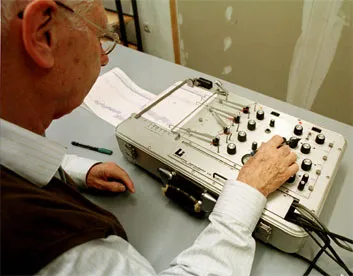
At its core, a polygraph is not a “lie detector” in the sense of identifying lies directly; rather, it measures autonomic nervous system activity that may indicate stress or anxiety. A polygraph machine typically consists of several sensors that record physiological changes. These include a pneumograph (to monitor breathing patterns), a cardiograph (to measure heart rate and blood pressure), and galvanic skin response sensors (to track perspiration levels).
The polygraph test is administered in three phases: pre-test, in-test, and post-test. During the pre-test phase, the examiner explains the procedure to the subject and builds rapport. They also ask a series of baseline questions to establish how the subject responds physiologically when answering truthfully. During the in-test phase, relevant questions—those pertaining to the matter under investigation—are mixed with irrelevant and control questions to detect anomalies in the subject’s physiological responses. Finally, the examiner analyzes the results during the post-test phase to determine whether the physiological patterns suggest deception.
The Accuracy and Reliability of Polygraph Tests
One of the central debates surrounding polygraph use in South Carolina and beyond is the reliability of the test results. Advocates claim that when administered by a trained examiner under controlled conditions, polygraphs can be up to 90% accurate. Critics, however, argue that this figure is overly optimistic and that the test is subject to false positives (labeling truthful individuals as deceptive) and false negatives (failing to detect deception).
Several factors can influence the outcome of a polygraph exam, including the subject’s physical and psychological state, medications, anxiety disorders, and the skill of the examiner. It is also possible for individuals to manipulate their physiological responses through techniques known as countermeasures, such as controlled breathing, muscle tensing, or mental distractions.
Due to these variables, courts in South Carolina and most other jurisdictions are skeptical of polygraph results. The Daubert standard, used by many courts to determine the admissibility of expert testimony, requires that scientific evidence be reliable and widely accepted within the scientific community. Polygraph testing often fails to meet this threshold, making its acceptance in courtrooms limited and conditional.
Polygraph Licensing and Regulation in South Carolina
South Carolina regulates the practice of polygraph examination through state licensing laws. Individuals who wish to become licensed polygraph examiners in the state must meet specific requirements, including education, training, and passing a state-approved examination. The South Carolina Law Enforcement Division (SLED) oversees the licensing and regulatory framework for polygraph examiners.
Applicants must complete an accredited polygraph training program, often consisting of several months of classroom instruction and practical experience. The curriculum typically includes topics such as psychology, physiology, criminal law, and polygraph techniques. After completing their training, candidates must pass a licensing exam and submit to a background check.
SLED also maintains professional standards for the conduct of polygraph examinations, including ethical guidelines and procedures for filing complaints against examiners. These regulatory measures aim to ensure that polygraph exams are conducted fairly, professionally, and with a high degree of technical competency.
Voluntary vs. Involuntary Polygraph Testing
In South Carolina, as in other states, polygraph tests must generally be voluntary. This means that a person cannot be compelled to take a polygraph test against their will, and refusal to submit to a test cannot automatically be used as evidence of guilt or wrongdoing. In criminal investigations, a suspect’s refusal to take a polygraph test is not admissible in court and cannot be used to infer guilt.
In employment scenarios, particularly those governed by the EPPA, employees have the right to decline a polygraph test without facing adverse consequences unless there is substantial evidence justifying the request for the exam. Employers must provide written notice of the allegations, explain the employee’s rights, and ensure that consent is freely given.
That said, there are certain exceptions. In some cases involving national security or sensitive law enforcement duties, polygraph tests may be a mandatory part of the employment screening process. In such cases, refusing the test may disqualify the applicant from consideration for the position.
Public Perception and Ethical Concerns
Public perception of polygraph tests varies widely. Some view them as a valuable tool for uncovering the truth, while others regard them with skepticism. The idea of a machine that can “detect lies” has a certain appeal, often reinforced by portrayals in movies and television shows. However, this romanticized image of polygraphy often oversimplifies the science and overlooks the real-world limitations of the technology.
From an ethical standpoint, the use of polygraph tests raises important questions about privacy, consent, and the presumption of innocence. Critics argue that relying on polygraphs can lead to miscarriages of justice, especially when individuals are wrongly accused based on flawed test results. There are also concerns about the pressure placed on individuals to submit to a test, especially in situations where refusal might be interpreted as suspicious behavior.
In South Carolina, legal safeguards are in place to protect the rights of individuals who undergo polygraph testing. However, ethical concerns persist, particularly when the results of a test—whether accurate or not—have significant consequences for a person’s career, reputation, or legal standing.
Future of Polygraph Testing in South Carolina
As technology continues to evolve, new methods for detecting deception are being explored, including voice stress analysis, eye-tracking, and brain-based imaging techniques. These emerging technologies may eventually replace or supplement traditional polygraph tests, but for now, the polygraph remains the most widely used method for physiological lie detection.
In South Carolina, the future of polygraph testing will likely depend on advancements in scientific validation and changes in public policy. If researchers can develop more reliable and objective methods of deception detection, lawmakers and courts may be more willing to reconsider the role of polygraphs in legal and employment contexts.
Until then, polygraph testing in South Carolina will continue to be a tool used selectively—valuable in some situations, controversial in others, and always subject to legal and ethical scrutiny.
Location South Carolina
- Columbia – 1320 Main St, Columbia, SC 29201
- Rock Hill – 331 East Main Street, Rock Hill, SC 29730
- Greenville – 220 N Main St NOMA Tower, Greenville, SC 29601
- Charleston – 170 Meeting St, Charleston, SC 29401
- Hilton Head – 32 Office Park Rd, Hilton Head, SC 29928
Conclusion
Polygraph tests, or lie detector tests, continue to play a complex role in the legal and employment landscapes of South Carolina. While not admissible in most courts, they are still used by law enforcement, government agencies, and certain employers as an investigative tool. Despite claims of high accuracy, polygraphs are far from infallible, and their results can be influenced by a variety of physiological, psychological, and environmental factors.
South Carolina has established clear regulations for the licensing and conduct of polygraph examiners, ensuring a professional standard of practice. However, ethical concerns and legal limitations remain prominent. Understanding the realities of polygraph testing—its capabilities, limitations, and appropriate applications—is essential for anyone who may encounter this controversial tool, whether in a criminal case, a job interview, or a personal matter.
As the debate over the legitimacy of lie detector tests continues, individuals and institutions in South Carolina must approach polygraph results with caution, respect legal safeguards, and remain informed about the evolving science of truth verification.