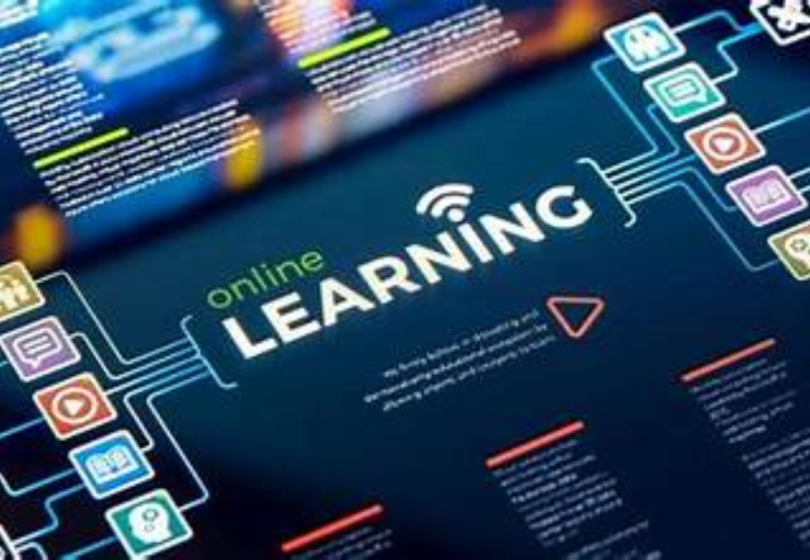

In today’s fast-moving, digitally connected world, education is no longer confined to classrooms or lecture halls. One of the biggest game-changers in modern education is the rise of online learning platforms — digital spaces that make learning flexible, accessible, and often more engaging than traditional methods.
Whether you’re a high school student, a working parent, or someone simply curious to learn, online learning platforms give you the chance to grow — anytime, anywhere.
🧠 What Are Online Learning Platforms?
Online learning platforms are digital services or websites that offer educational content and training. These platforms provide courses in various formats such as:
- Video lectures
- Interactive quizzes
- Downloadable reading materials
- Assignments and projects
- Live or recorded sessions
- Discussion forums and peer reviews
From school subjects to professional development, and even hobbies like cooking or music — there’s an online course for just about everything.
🌐 Types of Online Learning Platforms
There are several categories of online learning platforms, depending on your needs:
1. Massive Open Online Courses (MOOCs)
- Open to everyone, often free or low-cost.
- Examples: Coursera, edX, FutureLearn
2. Skill-Based Platforms
- Focused on career skills, personal development, and hobbies.
- Examples: Udemy, Skillshare, LinkedIn Learning
3. K–12 and Academic Learning
- Supports school-level learning or homeschooling.
- Examples: Khan Academy, ABCmouse, BYJU’S
4. Corporate Learning Platforms
- For employee training and company development.
- Examples: Udacity, Pluralsight, Coursera for Business
You may also like to read these posts:
Software and App News: Stay Updated with the Digital World
🔐 Cybersecurity Trends: A Deep Dive into 2025 and Beyond
Healthy Living Tips: A Complete Guide to a Better You
Travel and Leisure Ideas — Your Expanded, Friendly Guide
🎓 Top Online Learning Platforms (with Highlights)
| Platform | Focus Area | Key Feature |
| Coursera | University courses, certificates | Taught by top institutions like Stanford and Yale |
| Udemy | Skills, business, hobbies | User-generated content; thousands of affordable courses |
| Khan Academy | School education (free) | Perfect for math, science, and school prep |
| edX | Higher education, degrees | Certificates from Harvard, MIT, etc. |
| Skillshare | Creative learning | Ideal for photography, design, writing |
| LinkedIn Learning | Professional development | Integration with LinkedIn profile |
✅ Detailed Benefits of Online Learning Platforms

Let’s break down all the amazing things these platforms bring to learners:
1. Flexibility and Convenience
Learn at your own pace and time. Whether it’s early morning or late at night, the classroom is always open.
2. Global Access to Quality Education
You can learn from Harvard, Google, or even NASA — without leaving your home.
3. Cost-Effective Learning
Many platforms are free or charge much less than traditional tuition. You save on books, travel, and accommodation.
4. Diverse Subjects and Courses
From AI and coding to mental wellness and painting — you can explore any interest.
5. Career Advancement
Courses come with certificates that help you improve your resume and LinkedIn profile, showing employers your continued growth.
6. Interactive and Engaging Tools
Modern platforms use animations, gamified quizzes, virtual labs, and AI tools to make learning more fun and personalized.
7. Community and Peer Learning
Most platforms include discussion boards, Q&A forums, and peer-reviewed assignments — so you’re never alone in your journey.
⚠️ Drawbacks of Online Learning Platforms
While online learning is powerful, it isn’t perfect. Here are some challenges learners often face:
1. Lack of Human Interaction
You don’t get face-to-face conversations, real-time questions, or personal feedback like in a traditional classroom.
2. Discipline Required
Self-paced learning demands motivation and time management. Without a set routine, some learners may procrastinate or drop out.
3. Not Always Recognized
Not every course carries accredited certifications. Some employers or institutions may not accept non-degree certificates.
4. Technology Barriers
Learners need a stable internet connection, devices, and digital literacy. This may limit access in low-income or rural areas.
5. Overwhelming Choices
With so many platforms and courses, choosing the right one can be confusing and time-consuming.
📝 How to Choose the Right Online Learning Platform
If you’re ready to start learning online, here are a few tips to help you choose:
- Check Course Reviews & Ratings
- See Who the Instructor Is
- Look at Course Length and Syllabus
- Verify Certificates or Accreditation
- Make Sure It Fits Your Learning Style (video, reading, etc.)
- Try Free Trials Before Committing
📌 Real-World Uses of Online Learning Platforms
- Students use Khan Academy or BYJU’S for homework help and test prep.
- Professionals take Python courses on Coursera or web development on Udemy.
- Artists and creatives learn photography or digital painting on Skillshare.
- Companies train employees using LinkedIn Learning or Pluralsigh
💬 Final Thoughts
Yes, 100%!
If you want to grow personally or professionally, online learning platforms are a fantastic resource. They offer unmatched flexibility, a wide range of topics, and access to world-class education.
However, like anything else, success depends on how you use them. Stay focused, pick the right courses, and apply what you learn. Whether you’re switching careers, exploring a hobby, or preparing for school — there’s an online course waiting for you.
🙋♀️ FAQs
Q1: What are online learning platforms?
A: Online learning platforms are websites or apps that offer digital courses and educational content. You can learn various subjects like math, business, coding, art, languages, and more — all from your computer or mobile device.
Q2: Are online learning platforms free to use?
A: Many platforms offer free courses, especially those like Khan Academy or edX (audit mode). However, some charge for certifications or premium content. Prices vary depending on the platform and course type.
Q3: Can I get a certificate from online courses?
A: Yes, most paid courses offer certificates upon completion. Some platforms like Coursera, edX, and LinkedIn Learning provide professional or university-backed certificates that you can add to your resume or LinkedIn profile.
Q4: Are certificates from online learning platforms recognized by employers?
A: It depends on the employer and the course. Certificates from well-known platforms and universities are often respected, especially in tech, marketing, and design fields. However, they may not replace a formal degree in some industries.
Q5: What types of courses are available on online learning platforms?
A: You can find a huge variety of courses such .as:
Academic subjects (math, science, literature)
Professional skills (marketing, project management, coding)
Creative skills (photography, music, writing)
Personal development (productivity, mental health, finance)